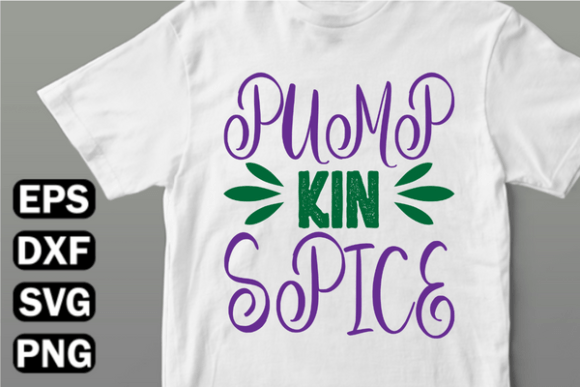
Pump Kin Spice: A Designer’s Embroidery Review
As an embroidery designer who has spent countless hours digitizing, testing, and critiquing files for real-world application, I approach every new machine embroidery design with a mix of curiosity and skepticism. We have all seen designs that look stunning on a screen but turn into a tangled mess of thread breaks and puckering once they hit the fabric. Today, I am taking a close look at PUMP KIN SPICE, a graphic that promises versatility across a wide range of products. My goal here is not just to describe it, but to evaluate how it performs when the needle actually hits the cloth.
First Impressions and Visual Personality
The first thing that strikes me about PUMP KIN SPICE is its thematic clarity. It captures that cozy, autumnal mood that customers crave during the fall season. The layout feels balanced, avoiding the clutter that often plagues seasonal graphics. For those of us in the T-Shirt Designs and Graphics space, we know that simplicity often translates better to stitch than complexity. This design appears to rely on strong shapes rather than excessive micro-detail, which is a promising sign for stitchability.
The visual personality is warm and inviting. It does not scream for attention with aggressive lines; instead, it offers a gentle aesthetic that works well for lifestyle branding. When I visualize this as a finished product, I see it fitting seamlessly into boutique collections that prioritize comfort and nostalgia. It is the kind of imagery that sells itself because it evokes a feeling rather than just displaying a logo.
Real-World Application: The Tote Bag Test
To truly understand the value of an embroidery file, you have to imagine it in a specific project. Let us consider a custom embroidered tote bag, a staple for any Etsy seller or craft business. Canvas is a forgiving fabric, but it requires a design that holds its structure. PUMP KIN SPICE seems ideally suited for this medium. The shapes are distinct enough to remain legible even when scaled up for a larger hoop.
In this scenario, I would likely use a combination of satin stitch for the borders and fill stitch for the broader areas to create texture contrast. The design’s inherent balance means it sits comfortably in the center of the bag without looking top-heavy or awkward. For a small shop product, this level of professionalism helps build customer trust. Buyers can see the quality of the digitization through the clean edges and consistent coverage.
Versatility Across Apparel and Home Decor
One of the strongest selling points mentioned for this asset is its adaptability. You can easily print this design on anything like T-Shirts, Onesies, Long Sleeve Tees, Tank Tops, Hoodies, Sweatshirts, Mugs, Wall Art, Drinkware, Blankets, Stickers, Pillows, Bags, and more. While the description mentions printing, as embroiderers, we must translate this versatility to thread.
For sweatshirt embroidery, the design’s robust nature works in your favor. Thick fabrics like fleece or French terry can swallow up delicate details, but PUMP KIN SPICE appears to have the visual weight necessary to stand out. Similarly, for baby embroidery on onesies, the lack of overly tiny, fragile elements reduces the risk of irritation against sensitive skin. However, always ensure the backing is soft and cut-away to maintain comfort.
When considering home decor, such as pillow covers or kitchen towels, the design adds a touch of seasonal charm without being overwhelming. It functions well as a personalized gift element, perhaps paired with a monogram or a name. This flexibility makes it a valuable addition to your library of design assets, allowing you to create cohesive collections across different product lines.
Technical Considerations and Stitch Density
While the aesthetic is appealing, we must discuss the technical execution. Any experienced decorator knows that stitch density is critical. If this design relies heavily on dense fills, it may cause puckering on lighter fabrics like cotton tees or thin linen. I recommend running a test on scrap fabric before committing to a final piece. Check how the threads interact with the material. If you notice pulling, adjust your stabilizer strategy.
Speaking of stabilizers, using the right type is non-negotiable. For stretchy fabrics like tank tops or long-sleeve tees, a cut-away stabilizer is essential to prevent distortion over time. For woven fabrics like tote bags or aprons, a tear-away might suffice, but always test first. Pay attention to the corners and curves in the design. Sharp angles can be tricky in embroidery; if the digitizing is tight, you may need to trim jump stitches carefully to maintain a clean look.
Challenges with Small Hoops and Curved Surfaces
If you plan to use PUMP KIN SPICE on caps or hats, proceed with caution. Curved surfaces distort designs, and what looks flat on a screen may wrap awkwardly around a crown. Ensure the design fits within your available hoop size without encroaching on the seams. Additionally, avoid placing dense stitch areas directly over seams, as this can lead to needle breaks and uneven stitching.
For small hoop sizes, you may need to scale the design down. Be mindful that reducing size too much can merge distinct elements, turning clear shapes into a blob of thread. Always inspect the design at 100% zoom in your software to anticipate how it will look when minimized.
Color Strategy and Thread Selection
The success of this embroidery project largely depends on your color choices. Since the theme is autumnal, traditional palettes of burnt orange, deep browns, and creamy whites work well. However, do not be afraid to experiment. High contrast between the thread colors and the fabric background is key for visibility.
I advise testing the design in black and white mockups first. If the design loses its definition in grayscale, it may rely too much on color contrast rather than shape definition. In embroidery, shape is king. Ensure that your thread choices enhance the form rather than obscure it. For dark fabrics, consider using a lighter underlay or adjusting the stitch angle to improve coverage.
Commercial Viability and Brand Consistency
For commercial embroidery professionals and digital product sellers, consistency is vital. PUMP KIN SPICE offers a reliable aesthetic that can help establish brand recognition. Whether you are creating printable mockup previews for your online store or producing physical items for a craft fair, the design’s clean lines contribute to a professional presentation.
Before selling finished items or digital files, always confirm the licensing terms. Ensure you have the right to use the design for commercial purposes. This step protects your business and respects the creator’s intellectual property. A clear understanding of licensing allows you to market your handmade product with confidence.
Final Verdict for Designers
In conclusion, PUMP KIN SPICE is a strong contender for your fall collection. It balances aesthetic appeal with practical stitchability, making it suitable for a wide range of applications from custom apparel to home decor. Its strength lies in its clear shapes and versatile theme, which resonate well with current market trends.
Remember to respect the technical limits of your machine and fabric. Test thoroughly, choose your stabilizers wisely, and select thread colors that enhance the design’s natural warmth. By approaching this digital embroidery file with a designer’s eye and a crafter’s precision, you can create high-quality products that delight customers and elevate your brand. Whether you are an experienced appliqué design specialist or a hobbyist exploring new running stitch techniques, this design offers a solid foundation for creative expression.