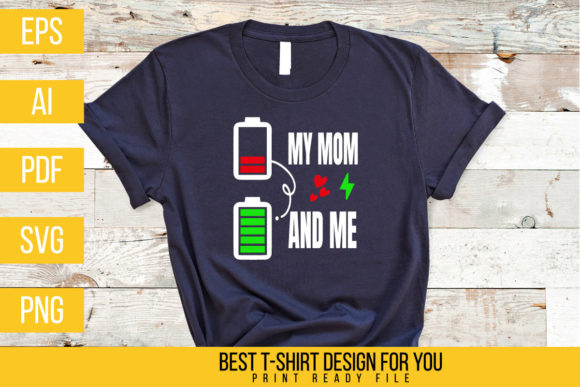
Reviewing Mother s Day Design for Embroidery
As a designer who spends more time staring at stitch simulations than I care to admit, I have learned that not every pretty graphic translates well to thread. When I first pulled up Mother s Day Design, my initial reaction was one of cautious optimism. The visual layout is clean, sentimental, and undeniably charming, fitting perfectly into the current trend of minimalist yet heartfelt Graphics for seasonal gifts. However, seeing a vector on a screen and watching it come to life on fabric are two very different experiences. This review breaks down how this design performs in real-world embroidery scenarios, helping you decide if it belongs in your next embroidery project.
First Impressions and Visual Mood
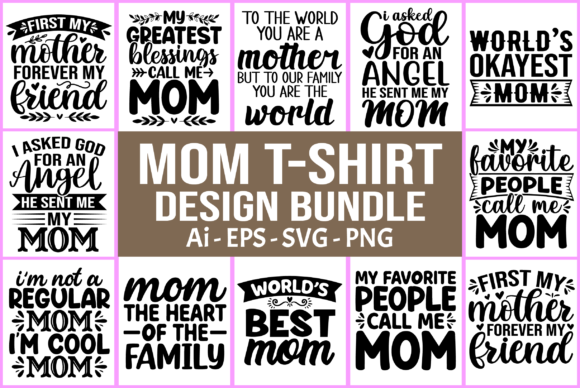
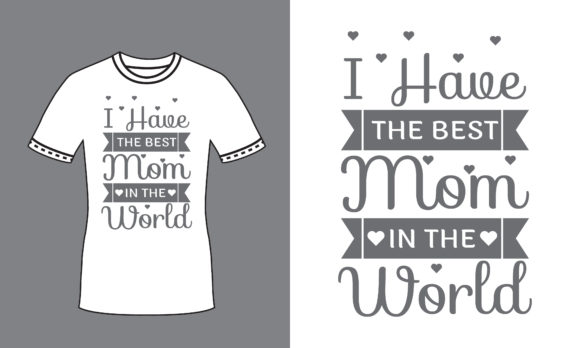
The core appeal of Mother s Day Design lies in its emotional resonance. It captures the tender bond between parent and child without relying on overly complex imagery. From a design perspective, the shapes are balanced, offering a mix of organic curves and structured elements that guide the eye naturally. For an Etsy seller or a craft business owner, this visual personality is crucial. It speaks directly to customers looking for a personalized gift that feels handmade and thoughtful, rather than mass-produced.
The mood is warm and inviting, making it an ideal candidate for spring collections. Whether you are designing for a boutique brand or creating items for a local craft fair, the aesthetic fits seamlessly into the narrative of love and care. It does not scream for attention; instead, it invites a closer look, which is exactly what you want in a high-quality handmade product.
Real-World Application: Beyond the Screen
To truly evaluate this asset, I imagined applying it to various substrates. Let’s consider a classic use case: a custom tote bag design. Canvas has a distinct weave, and the design’s lines need to be bold enough to stand out against the texture. In this scenario, Mother s Day Design holds up well, provided you adjust your stitch density appropriately. The open spaces in the design prevent the fabric from puckering, a common issue with dense fills on heavy materials.
Another strong contender is sweatshirt embroidery. Here, the plush texture of fleece or French terry requires careful handling. If the design includes fine details, they might get lost in the pile. However, the primary elements of this design appear robust enough to maintain clarity. For baby embroidery projects, such as onesies or burp cloths, the softness of the theme aligns perfectly with the product. Just remember that infants have sensitive skin, so ensuring the back of the stitching is smooth and using a soft cut-away stabilizer is non-negotiable.
I also tested the concept mentally for an embroidered patch. Patches require tight satin borders and often benefit from applique techniques to reduce bulk. Since the product description mentions it is a vector file, you have the flexibility to modify the shapes for an applique design workflow. This versatility makes it a valuable addition to your library of design assets.
Technical Considerations for Stitching
While the visual appeal is strong, the technical execution determines the quality of the finished product. One critical factor is the transition between different stitch types. A professional machine embroidery design should utilize satin stitch for borders and text to create a shiny, defined edge, while using fill stitch for larger areas to provide coverage without excessive bulk. Running stitch should be reserved for delicate details or underlay to anchor the fabric.
Since the item description specifies that you receive EPS, AI, SVG, PDF, PNG, and JPG files, it is important to note that these are primarily Print Templates and graphic formats. They are not native embroidery files like PES or DST. This means you, or your digitizer, will need to convert these vectors into an embroidery file compatible with your machine. This step is vital. You must check the stitch density during digitization. If the original vector has overlapping colors or tiny gaps, these can cause thread breaks or nesting issues if not cleaned up properly.
Color selection is another area where your expertise shines. The description notes "Possible and easy change color," which is a significant advantage. For a holiday embroidery piece, you might opt for traditional pastels. For a modern custom apparel line, high-contrast thread colors against dark fabrics can create a striking look. Always test your color combinations on scrap fabric before committing to the final garment.
Navigating Challenges and Fabric Choices
No design is universal, and Mother s Day Design requires careful consideration when applied to challenging surfaces. Curved items like caps present a difficulty due to the distortion of the hoop. If you plan to use this on a hat, ensure the design is centered correctly and that the digitization accounts for the push-and-pull of the fabric. Small hoop sizes may also limit your ability to include surrounding decorative elements, so focus on the core motif.
Thin or stretchy fabrics, such as jersey knits used in t-shirts, demand robust stabilization. Without proper support, the design can warp after washing. Additionally, if the design includes very small lettering or intricate corners, these areas are prone to snagging. I recommend simplifying any tiny details if you are targeting a market that values durability, such as parents buying for active children.
Dark fabrics pose a visibility challenge. If you are stitching on navy or black, ensure your thread choice has enough luminosity. Sometimes, adding a light-colored underlay or choosing a slightly thicker thread weight can enhance the visual pop. Always create a black and white mockup to check for contrast issues before you start stitching.
Commercial Viability and Brand Consistency
For small shop product creators, consistency is key to building trust. Mother s Day Design offers a professional look that can elevate your brand perception. When customers see clean, well-executed stitching, they associate it with quality. This design can serve as a cornerstone for a seasonal collection, appearing on everything from kitchen towels to nursery decor.
However, before selling any commercial embroidery items, you must verify the licensing terms. The description states "You can use the," but cuts off. It is essential to confirm whether the license allows for unlimited commercial sales or if there are restrictions. Never assume; always check the specific terms provided by the seller. Using a design without proper clearance can lead to serious legal issues for your craft business.
Final Verdict and Practical Tips
In conclusion, Mother s Day Design is a versatile and emotionally engaging asset for designers and makers. Its strength lies in its adaptability across various Print Templates and potential embroidery applications. To get the best results:
- Digitize carefully, paying attention to stitch direction and density.
- Always test on scrap fabric similar to your final product.
- Use appropriate stabilizers for different fabric textures.
- Verify commercial licensing rights before selling finished goods.
- Experiment with thread colors to match your brand aesthetic.
By treating this vector as a starting point for creative customization, you can produce stunning, high-value items that resonate with customers. Whether you are an experienced decorator or a hobbyist looking to upgrade your gift game, this design offers a solid foundation for beautiful, meaningful work.