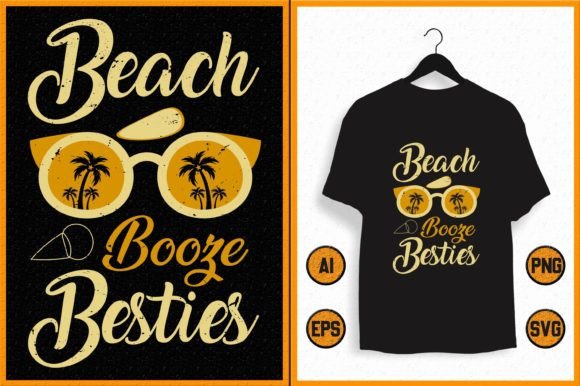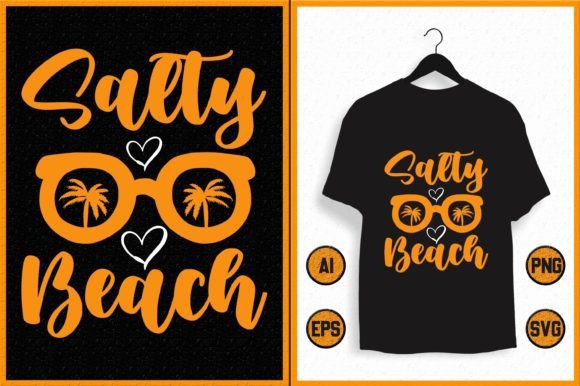
Reviewing the Vintage Salty Beach Shirt SVG for Embroidery
As a designer who spends half my life digitizing and the other half stitching, I have learned that not every graphic translates well to thread. When I first opened the Vintage Salty Beach Shirt SVG, my initial reaction was one of cautious optimism. The aesthetic is undeniably charming, tapping into that nostalgic, sun-bleached vibe that dominates summer retail trends. However, moving from a flat digital image to a textured, three-dimensional embroidery project requires a critical eye. This review breaks down how this specific T-Shirt Designs asset performs when subjected to the realities of needle, thread, and fabric.
First Impressions and Visual Personality
The mood of this design is relaxed and inviting. It captures the essence of coastal living without being overly literal or cluttered. For an embroidery designer, the layout is the most critical element. The spacing between elements in the Vintage Salty Beach Shirt SVG appears balanced, which is crucial for maintaining stitch integrity. If elements are too close, you risk thread buildup; if they are too far apart, the design can look sparse on larger garments. The visual personality suggests a hand-drawn or distressed look, which is forgiving in embroidery because minor imperfections in tension or registration can actually enhance the vintage feel rather than detract from it.
This is where the distinction between standard Graphics and embroidery-ready assets becomes clear. A vector file might look perfect on screen, but does it account for pull compensation? Does it consider how a satin stitch will behave on a curved surface? My assessment focuses on these practicalities, ensuring that the final finished product looks professional, not just digitally accurate.
Real-World Application: The Custom Tote Bag Test
To truly evaluate this design, I imagined a common scenario for many Etsy sellers and craft business owners: creating a custom summer tote bag. Canvas is a sturdy fabric, but it has a distinct weave that can interfere with small details. Using the Vintage Salty Beach Shirt SVG as a base, I considered how the design would sit on a 14oz cotton canvas.
The theme fits perfectly here. A beach-themed design on a tote is a staple small shop product. However, the success depends on execution. If the original SVG contains very fine lines, converting them directly to running stitch might result in weak coverage on such a textured material. I would recommend adjusting the stitch type to a slightly heavier weight or using a fill stitch for larger solid areas to ensure the design pops against the rougher fabric texture. This kind of thoughtful adaptation is what separates a hobbyist from a professional apparel decorator.
Versatility Across Product Lines
Beyond tote bags, this design has potential across various custom apparel items. For sweatshirt embroidery, the softness of fleece requires careful attention to stitch density. Too dense, and the garment becomes stiff and uncomfortable; too light, and the backing shows through. The vintage style of this SVG allows for some creative freedom here, as a slightly open stitch pattern can complement the cozy nature of a sweatshirt.
For baby embroidery projects, such as onesies or bibs, the scale must be reduced significantly. This is where caution is needed. Tiny details in the original Vintage Salty Beach Shirt SVG may become lost or merge together when scaled down for a small hoop size. I advise testing a scaled-down version on scrap fabric to ensure legibility. Similarly, for embroidered patch creation, the design needs clean, closed shapes to allow for proper cut-out edges, which may require manual cleanup of the digital file before stitching.
Navigating Technical Challenges
While the aesthetic is strong, there are areas where this design requires careful handling. Dark fabrics present a challenge for any light-colored vintage design. Without proper underlay stitches, the dark fabric can peek through, ruining the crispness of the image. Using a white or light-colored stabilizer as a base layer can help mitigate this, but it adds bulk. For commercial embroidery runs, consistency is key, so establishing a strict protocol for underlay and top thread tension is essential.
Curved surfaces, like caps or hats, distort designs. The horizontal elements in the Vintage Salty Beach Shirt SVG might appear warped if not properly adjusted for the curvature of the crown. Digitizers often use "push" and "pull" compensation techniques to counteract this. If you are using this as a raw SVG to digitize yourself, keep these distortion factors in mind. If it is already digitized, check the preview carefully for any signs of uneven spacing that might indicate poor compensation.
Enhancing Brand Value and Customer Trust
For digital product sellers and handmade product creators, the quality of the design directly impacts brand perception. A well-executed embroidery job using a cohesive design like this builds customer trust. It signals professionalism and attention to detail. When customers see a clean, well-stitched personalized gift, they are more likely to leave positive reviews and return for future purchases.
Moreover, using versatile design assets like this allows for consistent branding across different product lines. Whether it is a holiday embroidery item for summer vacations or a year-round beach house decor piece, the consistent visual language helps in building a recognizable brand identity. Creating high-quality printable mockup images using this design can also boost online engagement, giving potential buyers a realistic view of the final product.
Practical Notes for Designers
- Test on Scrap Fabric: Always stitch a test sample on the actual material you plan to use. Thread behavior varies wildly between cotton, polyester, and blends.
- Check Thread Color Contrast: Vintage styles often rely on subtle color shifts. Ensure your chosen thread colors have enough contrast against the fabric to remain visible.
- Review Stitch Density: High density can cause puckering, especially on lighter fabrics. Adjust density settings if your machine allows, or choose appropriate stabilizers.
- Confirm Hoop Size: Ensure the design fits within your available hoop sizes without needing excessive re-hooping, which can lead to misalignment.
- Inspect Small Details: Zoom in on the digital file. Are there tiny isolated stitches that might break or pull out? Clean up any unnecessary nodes or points.
- Verify Licensing: Before selling finished product items or using this in commercial embroidery, confirm the license terms provided by the creator. The description mentions files for yourself, friends, and family, so clarify commercial rights if you intend to sell.
In conclusion, the Vintage Salty Beach Shirt SVG offers a solid foundation for summer-themed projects. Its strength lies in its adaptable aesthetic, but its success depends entirely on the technical skill applied during the digitizing and stitching process. By respecting the limitations of the medium and planning for fabric-specific challenges, you can transform this digital graphic into a high-value, tangible asset for your craft business.