Reviewing the Vintage Hola Shirt SVG for Embroidery
As a designer who has spent years translating digital concepts into thread, I approach every new machine embroidery design with a mix of curiosity and caution. We have all seen files that look stunning on a screen but turn into a tangled mess under the needle. Recently, I evaluated the Vintage Hola Shirt SVG to determine its viability for real-world production. This is not just about aesthetics; it is about how a graphic translates when subjected to the physical constraints of fabric, tension, and stitch density.
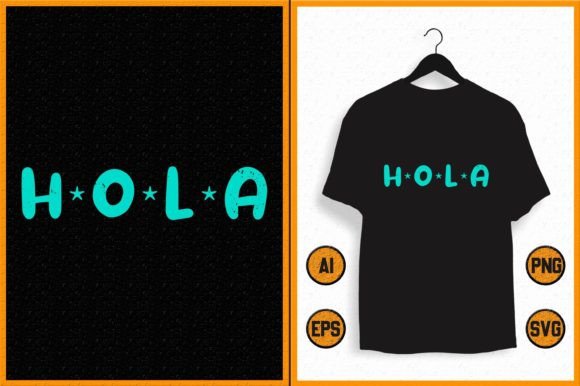
The first impression of this asset is its distinct mood. It captures a relaxed, retro vibe that feels inherently summery and welcoming. For those of us in the craft business, mood is half the sale. The typography suggests a laid-back attitude, perfect for beachwear or casual home decor. However, as an experienced reviewer, I look past the initial charm to assess structural integrity. How will those curves hold up? Is the detail level appropriate for standard hoops? These are the questions that separate a hobbyist purchase from a professional design asset.
From Screen to Stitch: Real-World Application
To truly test the Vintage Hola Shirt SVG, I imagined a specific client project: a custom embroidered tote bag for a local boutique specializing in coastal lifestyle goods. The goal was to create a handmade product that felt premium yet approachable. In this scenario, the design needed to be legible from a distance but detailed enough to reward closer inspection.
When considering custom apparel, such as a heavy cotton sweatshirt or a structured cap, this graphic shines. The bold lines typical of vintage-style graphics often translate well into satin stitches or dense fill stitches, providing good coverage on textured fabrics. If you are an Etsy seller looking to expand your T-Shirt Designs catalog, this type of graphic offers versatility. It works equally well as a chest pocket accent on a tee or a larger back print on a hoodie. The key is understanding that what works as a flat Graphics file may need adjustment when becoming a three-dimensional embroidered patch or direct-to-garment stitch-out.
I also considered its use in baby embroidery. While the theme is universal, the scale matters. For a baby onesie, the design would need to be significantly scaled down. This brings us to a critical point: always check the minimum viable size. Tiny lettering can become illegible if the stitch count is too low or if the fabric texture interferes with the thread placement.
Navigating Fabric and Technical Constraints
No design exists in a vacuum. The success of the Vintage Hola Shirt SVG depends heavily on the substrate. Here is where practical judgment comes into play. If you are working with stretchy fabrics like jersey knits, a proper stabilizer is non-negotiable. Without it, even the best-designed file will pucker and distort. For dark fabrics, you must consider thread color contrast. A vintage palette often relies on muted tones, which might disappear on navy or black garments unless you use a bright underlay or choose high-contrast thread colors.
Curved surfaces present another challenge. Applying this design to a cap requires careful hooping and possibly a different digitizing approach than a flat tote bag. The curvature can distort the perspective of the text. If the original file is a vector SVG intended for printing, remember that embroidery requires a specific embroidery file format (such as PES, DST, or JEF). You cannot simply feed an SVG into most home machines without conversion. If you are buying this as a digital file for printing, ensure you have the rights and tools to convert it for stitching, or verify if an embroidery-specific version is available.
Dense stitch areas are another concern. Vintage styles sometimes use heavy fills to mimic screen-printed solidity. In embroidery, too much density can cause fabric tearing or needle breaks. Always review the stitch density settings if you are editing the file, or request a preview from the seller. For holiday embroidery projects, such as festive aprons or kitchen towels, lighter densities often work better to maintain the drape and softness of the linen or cotton.
Enhancing Brand Value and Customer Trust
Why does this matter for your small shop product line? Consistency builds trust. When a customer buys a personalized gift, they expect professionalism. A clean, well-executed stitch-out signals quality. The Vintage Hola Shirt SVG, when executed correctly, contributes to a cohesive brand aesthetic. It suggests that the maker cares about details, from the choice of thread to the placement of the design.
For commercial embroidery clients, presentation is everything. Using this design in printable mockup previews can help customers visualize the final product. However, be honest about limitations. If the design loses clarity at small sizes, state that clearly in your listing. Transparency enhances buyer engagement and reduces returns. Whether you are creating wedding gifts or everyday wear, the perceived value of the item is tied to the technical execution of the design.
Practical Notes for the Embroidery Designer
Before you commit to a large production run or list this as a new item in your store, follow these steps:
- Test on Scrap Fabric: Never skip this step. Use the same fabric type and weight you intend to sell. Check for puckering, thread breaks, and registration issues.
- Check Thread Contrast: View your test stitch-out in natural light. Ensure the thread colors pop against the fabric background.
- Verify File Formats: The product description mentions "Digital Files" and "SVG." Confirm if this includes native embroidery formats or if you need to digitize it yourself. Licensing terms for commercial use should be explicitly clear before selling finished items.
- Inspect Small Details: Zoom in on the corners of the letters. Are there jagged edges? Do the curves flow smoothly? Poor digitizing shows up most in tight turns.
- Consider Hoop Size: Ensure the design fits comfortably within your standard hoops with adequate margin for stabilizer attachment.
In conclusion, the Vintage Hola Shirt SVG offers strong potential for creators focusing on casual, retro-inspired goods. It fits naturally into categories like tote bag design, sweatshirt embroidery, and seasonal decor. However, its success relies on the maker’s technical skill and attention to material compatibility. By treating it as a component of a larger production process rather than just a pretty picture, you can leverage it to create high-quality, marketable products. Always prioritize the tactile reality of the stitched result over the digital preview, and your customers will feel the difference in every finished product.