Plumber Embroidery Design: A Practical Review for Makers
As a designer who has spent countless hours digitizing files and testing them on various machines, I approach every new machine embroidery design with a mix of curiosity and caution. We all know that what looks crisp on a screen does not always translate perfectly to fabric. Today, I am taking a close look at Plumber, a graphic asset marketed primarily as a T-shirt design vector, to evaluate its potential for real-world embroidery projects. This is not just about aesthetics; it is about functionality, stitchability, and commercial viability for your craft business.
First Impressions and Visual Personality
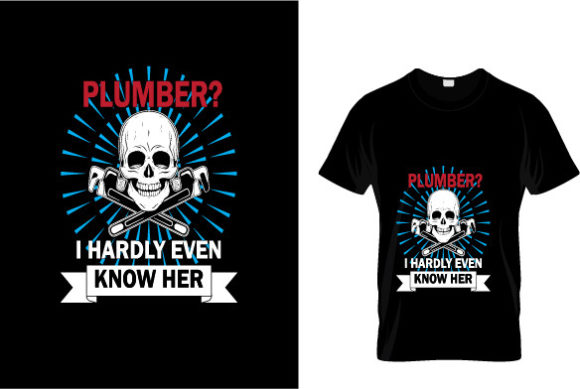
When I first opened the files for Plumber, the immediate impression was one of bold simplicity. The design relies on strong lines and clear shapes, which is generally a good sign for embroidery. Complex gradients and ultra-fine details often cause headaches during stitching, leading to thread breaks or muddy results. Plumber avoids these pitfalls by focusing on a graphic style that translates well to thread.
The mood is playful yet professional, making it versatile. It does not scream "novelty" in a cheap way; instead, it feels like a legitimate badge of pride for tradespeople. For an embroidery project, this visual personality is crucial. You want a design that the wearer feels confident displaying, whether on a work uniform or a casual weekend hoodie. The layout appears balanced, suggesting that it will sit well on various garment types without looking awkward or off-center.
Real-World Application: Beyond the T-Shirt
While the product description highlights its use as a T-Shirt Designs asset, my mind immediately went to more durable applications. I recently worked on a custom order for a local plumbing company wanting branded merchandise for their team. They needed items that could withstand frequent washing and rough handling. This is where Plumber shines.
I envision this design working exceptionally well as a sweatshirt embroidery piece. The thicker fabric of a hooded sweatshirt provides a stable base for the stitches, allowing the design to pop without sinking into the material. It would also make a fantastic embroidered patch. By digitizing this graphic with a satin stitch border and a fill stitch interior, you could create iron-on or sew-on patches that employees can attach to their work jackets. This adds a layer of customization that printed vinyl simply cannot match.
Consider also the tote bag design market. Canvas bags are popular for trade shows and client gifts. A sturdy, embroidered logo on a heavy-duty tote conveys quality and permanence. Similarly, for personalized gift seekers, this could be adapted for aprons or kitchen towels for the home-improvement enthusiast in your life. The key is matching the scale of the design to the item. A large back print works for shirts, but a smaller, chest-left placement is better for caps and polos.
Navigating Technical Challenges
Here is where we must be realistic. Plumber is provided in vector and raster formats like EPS, AI, SVG, JPG, and PNG. It is important to note that these are Graphics files, not necessarily pre-digitized embroidery file formats like DST or PES. If you are an embroiderer, you will likely need to digitize this yourself or hire someone to do it. This gives you control over stitch density and direction, but it also adds a step to your workflow.
When digitizing Plumber, pay close attention to small details. Tiny lettering or thin lines can get lost if the thread colors do not contrast sufficiently with the fabric texture. On dark fabrics, you may need to use an underlay stitch to prevent the garment color from showing through. On stretchy fabrics, such as performance tees, proper stabilization is non-negotiable. Without a cut-away stabilizer, the design may pucker or distort after the first wash.
Be cautious with curved surfaces like caps. The design needs to be adjusted for the curvature of the front panel. What looks flat on a screen will wrap around the hat, potentially distorting the proportions. Always run a test stitch on a similar scrap fabric before committing to the final finished product. This saves time, thread, and frustration.
Commercial Value and Brand Consistency
For Etsy seller accounts and small shop owners, offering high-quality embroidered goods sets you apart from print-on-demand competitors. Embroidery suggests durability and care. When a customer sees Plumber stitched onto a high-quality towel or cap, they perceive higher value. This perception allows for better pricing margins and builds customer trust.
Consistency is key for brand recognition. If you are creating a line of trade-themed gifts, using a cohesive style across different products helps build your brand identity. Plumber fits well into a broader collection of trade-profession designs. It appeals to a specific niche, which is often more profitable than trying to appeal to everyone. Think about bundling this design with other trade icons for holiday embroidery gift sets or father’s day promotions.
Practical Notes for the Designer
Before you launch into production, keep these practical tips in mind:
- Check Licensing: Ensure the license for the original vector art allows for commercial use in physical goods. Since this is sold as a design asset, verify if you need an extended license for selling finished items.
- Test Stitch Density: Too much density can make the fabric stiff and uncomfortable. Too little can look sparse. Find the sweet spot for your specific machine and thread type.
- Color Contrast: Test the design in black and white mockups first. If it loses definition without color, it may need simplification or bolder outlines.
- Hoop Size: Confirm that your hoop size accommodates the design dimensions. Large designs may require re-hooping or multi-position stitching, which increases the risk of misalignment.
- Fabric Choice: Avoid very thin or slippery fabrics unless you have advanced stabilizing techniques. Heavy cotton, denim, and canvas are your best friends here.
In conclusion, Plumber is a strong candidate for embroidery adaptation. Its graphic nature lends itself well to thread, and its thematic appeal targets a loyal customer base. However, success depends on your digitizing skills and attention to technical details. Do not treat it as a plug-and-play solution if you are expecting a pre-made embroidery file. Instead, view it as a high-quality source image that, with proper preparation, can become a standout item in your craft business inventory. Take the time to test, refine, and perfect the stitch path, and you will have a product that customers are proud to wear and use.