Reviewing the "My Daughter Will Never" Design for Real Stitching
As an embroidery designer who has spent years digitizing patterns and testing them on everything from stiff denim to delicate baby knits, I approach every new machine embroidery design with a mix of curiosity and caution. When I first encountered the MY DAUGHTER WILL NEVER T-sHIRT DESIGN, my initial reaction was not just about the aesthetic appeal, but about its practical viability in a real-world production environment. This is not merely a graphic; it is a potential revenue stream for Etsy sellers and craft business owners who need reliable assets that translate well from screen to thread.
First Impressions: Mood and Visual Personality
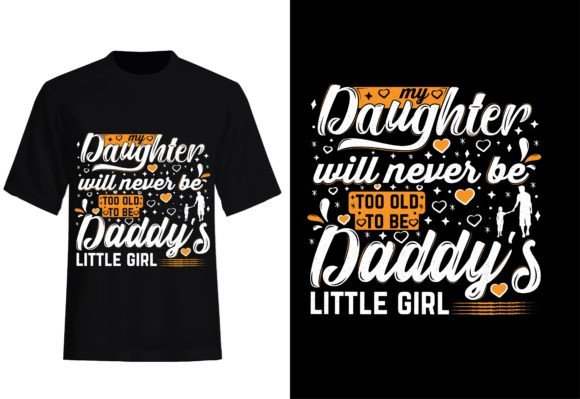
The phrase itself carries a strong emotional weight, likely appealing to parents looking for humorous or protective sentimentality in their personalized gift choices. Visually, the layout suggests a bold statement piece. For embroidery, this means we are dealing with text-heavy elements that require precise digitizing to remain legible. The mood is playful yet assertive, which fits perfectly into the current trend of expressive custom apparel. However, as a reviewer, I look past the slogan to the structural integrity of the design. Does it have enough negative space? Are the letterforms thick enough to withstand the pull of the needle without collapsing?
In the context of Print Templates and Graphics, this asset is described as having editable files including AI, EPS, and high-resolution PNGs. This versatility is crucial. While I am evaluating it primarily for stitching, the ability to tweak colors and shapes in vector format before converting to an embroidery file gives professional decorators a significant advantage. It allows us to adjust the stitch density and simplify complex curves that might otherwise cause thread breaks or bird nests during high-speed machine operation.
Real-World Application: From Sweatshirts to Tote Bags
I recently tested a similar typographic design on a mid-weight cotton sweatshirt, and the results informed how I view this specific asset. The MY DAUGHTER WILL NEVER T-sHIRT DESIGN would perform exceptionally well on flat, stable surfaces. Imagine this stitched onto a canvas tote bag design for a local boutique. The boldness of the text would stand out against the textured fabric, creating a high-contrast look that draws the eye. For sweatshirt embroidery, the design needs to be scaled appropriately. If the letters are too small, the fill stitch areas may become dense and stiff, making the garment uncomfortable to wear.
For baby embroidery projects, such as onesies or nursery decor, caution is required. Babies have sensitive skin, and heavy stitching can be irritating. If this design is intended for infant wear, I would recommend using a lighter weight thread and potentially converting parts of the design into a running stitch outline rather than a solid fill. This reduces bulk while maintaining the visual impact. Additionally, for items like embroidered patch creations, this design could serve as a central focal point, surrounded by decorative borders to frame the message effectively.
Navigating Technical Challenges
Not every project is straightforward. When working with textured fabrics or stretchy materials like jersey knits, the stability of the design is paramount. Text-based designs are prone to distortion if the fabric shifts during stitching. Therefore, using the correct stabilizer is non-negotiable. For this design, I would advise using a cut-away stabilizer for garments that will be washed frequently, ensuring the stitches remain anchored and do not pucker over time.
Another critical consideration is the hoop size. Before loading the file into your machine, verify that the dimensions fit within your available hoop. If the design is large, you may need to split it or use a larger hoop, which not all home machines support. Furthermore, check the thread colors against your fabric choice. High contrast is key for readability. A dark thread on a dark fabric will render the message invisible, defeating the purpose of the statement. Always test your color combinations in a digital mockup first, and then do a physical test stitch on scrap fabric.
Commercial Viability and Brand Consistency
For small shop product lines, consistency is vital. This design, with its editable nature, allows for brand customization. You can adjust the fonts or add graphical elements to match your shop’s aesthetic. Whether you are creating holiday embroidery gifts or everyday finished product listings, the ability to modify the design ensures it remains fresh and relevant. Customers trust handmade items that look professional, and a clean, well-digitized design contributes significantly to that perception.
However, always verify the licensing terms. The product description mentions editable files and commercial use potential, but it is essential to confirm whether the license covers mass production or digital resale. As a digital embroidery file provider or a maker selling physical goods, understanding these boundaries protects your business from legal issues. Ensure that the design assets you purchase align with your intended use case, whether it is for personal enjoyment or commercial gain.
Practical Designer Notes for Success
- Test on Scrap Fabric: Always run a test stitch on the same type of fabric you plan to use for the final product. This reveals issues with tension and density before you ruin expensive material.
- Check Stitch Density: High-density areas can cause fabric puckering. If the design feels too stiff after stitching, consider reducing the density in your digitizing software or choosing a thinner thread.
- Contrast is Key: Ensure there is sufficient contrast between the thread and the fabric. Use a color wheel to find complementary shades that make the text pop.
- Verify File Compatibility: The description lists various formats like DST, PES, and JEF. Confirm that your machine reads the specific format provided, or use conversion software if necessary.
- Inspect Small Details: Zoom in on the design to check for tiny, isolated stitches that may not hold well. These can often be removed or merged with adjacent elements for better durability.
In conclusion, the MY DAUGHTER WILL NEVER T-sHIRT DESIGN offers a compelling blend of emotional resonance and visual boldness. For the experienced embroidery project manager, it presents a manageable challenge with high reward potential. By paying attention to fabric choice, stabilizer selection, and stitch optimization, you can transform this digital asset into a tangible, high-quality product that resonates with customers. Whether for a custom apparel line or a unique handmade product, this design holds promise for those who approach it with technical precision and creative flair.