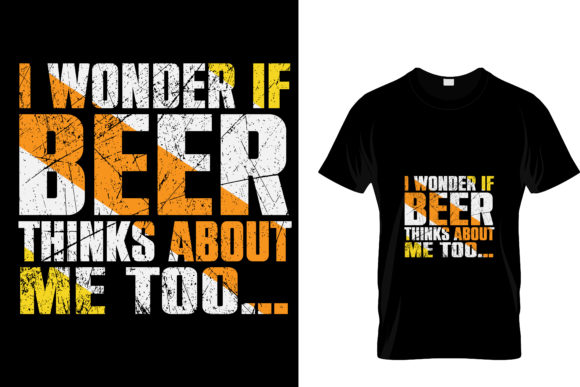
Review: I Wonder if Beer Thinks About Me Too
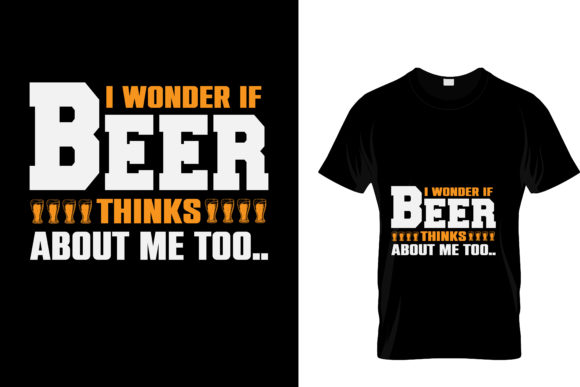
As a designer who has spent countless hours digitizing and stitching out files for clients, I have learned that the best machine embroidery design is not always the most complex one. Sometimes, it is the piece that carries personality while remaining technically sound for production. Recently, I evaluated the I Wonder if Beer Thinks About Me Too asset to determine its viability for real-world applications. This is not just a digital graphic; it is a statement piece that requires careful consideration of stitch types, fabric choice, and placement to truly shine in a finished product.
First Impressions and Visual Personality
The immediate appeal of this design lies in its relatable humor. The quote creates a lighthearted, conversational mood that resonates well with adult casual wear and home decor. Visually, the layout suggests a balance between typography and potential illustrative elements, depending on how the vector is interpreted for stitching. For an embroidery project, clarity is king. If the original T-Shirt Designs rely heavily on thin lines or subtle gradients, they must be adapted carefully for thread.
When I look at this as a potential Graphics source for embroidery, I am checking for bold shapes. Humor often gets lost if the lettering is too small or if the stitch density is too high, causing the fabric to pucker. The charm here is in the simplicity of the sentiment. It feels like something you would see on a favorite hoodie after a long week, or perhaps on a kitchen towel in a bachelor pad or a fun-loving couple’s home.
Real-World Application Scenarios
To test the versatility of this concept, I imagined several production scenarios. The most natural fit is undoubtedly custom apparel. Picture this design stitched onto the chest of a heather grey sweatshirt. The texture of the fleece provides a sturdy base for the stitches, allowing the thread colors to pop without sinking into the fabric. It transforms a basic garment into a personalized gift that feels thoughtful yet playful.
Beyond apparel, consider the rise of the embroidered patch. This design could work exceptionally well as a standalone patch sewn onto a denim jacket or a canvas backpack. Patches allow for higher stitch density and more detailed work because they are stabilized independently before being attached to the final item. This approach mitigates the risk of distortion on stretchy fabrics.
Another strong candidate is the tote bag design. Canvas totes are popular among Etsy seller communities and craft fair vendors. The durability of canvas handles heavier stitch counts well, making it an ideal substrate for this type of witty quote. It turns a utilitarian item into a conversation starter, perfect for grocery runs or beach days.
Technical Considerations for Stitching
While the concept is strong, the execution requires technical diligence. Since the source files include EPS, AI, SVG, JPG, and PNG, you are starting with vector and raster graphics, not a native embroidery file. This is a critical distinction for any craft business owner. You will need to digitize this artwork yourself or hire a digitizer to convert it into a proper embroidery file.
During digitization, pay close attention to the stitch density. If the design includes solid blocks of color behind the text, consider using a fill stitch with appropriate underlay to prevent shifting. For the text itself, a satin stitch may work for larger letters, but if the font is intricate, a narrow running stitch or column satin might be safer to maintain legibility. Avoid overly small details that could break during washing or wear.
Hooping is another factor. If you plan to use this on a curved surface like a cap, ensure the design width fits within your standard cap frame. Curved surfaces distort designs, so keeping the layout compact and centered is essential. For flat items like pillow covers or aprons, you have more freedom, but always check your hoop size limitations against the scaled dimensions of the artwork.
Fabric and Material Compatibility
Not all fabrics behave the same way. For this design, I recommend medium-to-heavy weight cottons, poly-cotton blends, denim, and canvas. These materials provide the stability needed for clean stitch-out results. Be cautious with thin or stretchy fabrics like lightweight rayon or jersey knits unless you use a high-quality cut-away stabilizer. Without proper support, the weight of the thread can cause the fabric to gather around the design, ruining the professional look.
Dark fabrics present a unique challenge. If you are stitching light-colored thread on a black shirt, you may need a backing layer or a dense underlay to prevent the dark fabric from showing through the stitches. Always run a test stitch on scrap fabric of the same type and color before committing to the final finished product. This step saves time, money, and reputation.
Commercial Viability and Branding
For small shop product lines, this design offers high engagement potential. Humorous quotes tend to perform well on social media, driving traffic to your listings. Whether you are selling custom apparel or holiday embroidery gifts, the relatability of the beer theme connects with a broad audience. However, professionalism matters. Ensure that your thread colors are consistent and your trimming is clean. A sloppy finish can undermine the humor and make the item look cheap.
When creating printable mockup images for your online store, show the design in context. Display it on a model wearing the shirt, or styled on a coffee table with a beverage. This helps buyers visualize the scale and impact of the design assets in their own lives. It builds trust and reduces return rates by setting accurate expectations.
Final Designer Notes
Before launching this as part of your inventory, verify the licensing terms associated with the vector files. Just because you have the SVG or AI file does not automatically grant commercial rights for embroidered goods, though many creators do allow it. Always read the specific license included with your download.
- Test stitch on similar fabric weights to gauge tension and density.
- Use contrasting thread colors to enhance readability of the quote.
- Check for tiny details that may need simplification during digitizing.
- Confirm that the final stitched size fits your intended hoop and garment area.
- Consider using an applique technique if the design includes large solid shapes to reduce stiffness.
In conclusion, I Wonder if Beer Thinks About Me Too is a promising candidate for various embroidery projects. With careful digitization and attention to material selection, it can become a standout item in your commercial embroidery portfolio. It balances fun with functionality, provided you respect the technical limits of your machine and materials. Happy stitching.