Feliz Quince Design: A Designer’s Review
As an embroidery designer who has spent countless hours digitizing and testing files for client projects, I approach every new machine embroidery design with a mix of curiosity and skepticism. We all know that what looks crisp on a screen does not always translate perfectly to thread and fabric. Recently, I evaluated the Feliz Quince. Quinceanera. 15th Birtday asset to determine its viability for real-world commercial use. This is not just a digital graphic; it is a potential centerpiece for a significant cultural celebration, and the stakes for quality are high.
First Impressions and Visual Personality
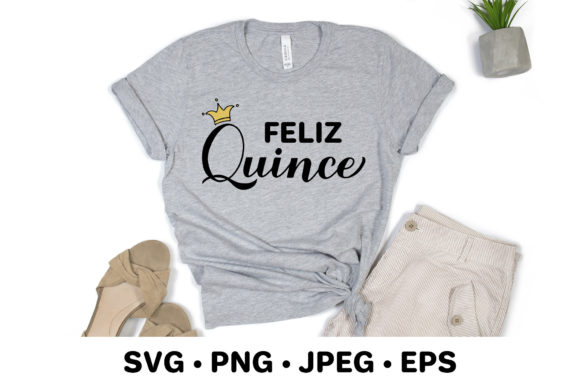
The initial visual impact of this Illustrations piece is celebratory and bold. The typography carries a festive weight that immediately signals occasion. For a quinceañera, the design needs to balance youthful energy with a touch of elegance, and this layout manages to hit that note without feeling overly juvenile or excessively formal. When I view it as part of a broader collection of Graphics, it stands out due to its clear thematic focus. The Spanish quote element adds authenticity, which is crucial for customers seeking culturally relevant decor or apparel.
However, as a reviewer, I look past the aesthetic appeal to the structural integrity. The lines appear clean, suggesting that if converted properly into an embroidery file, the pathing should be logical. The mood is inviting, making it suitable for a wide range of personalized items beyond just clothing. It feels like a design that wants to be seen, which makes it ideal for statement pieces.
Real-World Application: The Custom Tote Scenario
To test the practicality of Feliz Quince. Quinceanera. 15th Birtday, I imagined a specific client request: a set of matching tote bags for the court of honor. These bags need to be durable, stylish, and photogenic for social media. Using this design as a tote bag design requires careful consideration of scale. The boldness of the lettering works well here because canvas fabric can handle a denser stitch pattern without puckering excessively.
If I were stitching this for a custom apparel project, such as a commemorative sweatshirt, the design’s weight would provide good coverage. A sweatshirt embroidery project benefits from designs that have enough substance to stand out against the fuzzy texture of fleece or cotton blends. The visual personality of this asset suggests it would pop nicely on a pastel or white garment, creating a soft yet distinct contrast that appeals to the target demographic of fifteen-year-olds and their families.
Versatility Across Product Lines
Beyond apparel, this design has strong potential for home goods. Imagine it stitched onto a pillow cover for a party photo booth backdrop or embroidered on high-quality kitchen towel sets as a keepsake gift. For Etsy sellers and craft business owners, versatility is key to maximizing return on investment. This design could easily transition into a vinyl decal for mugs or invitations, leveraging the included SVG and PNG formats. However, my focus remains on the embroidered outcome, where texture and thread play a vital role in the final perception of value.
For those creating personalized gift items, the ability to customize colors is essential. This design allows for creative freedom with thread colors. You might choose traditional golds and pinks, or opt for modern teal and silver combinations. The design’s structure supports these variations without losing legibility, which is a significant advantage for small shop product lines that offer multiple colorways.
Technical Considerations and Stitching Challenges
While the design is visually appealing, there are technical hurdles to consider before loading it into your machine. Any design with prominent lettering and decorative elements requires a keen eye for stitch density. If the original vector is too dense, it may cause fabric distortion, especially on lighter materials. I recommend checking the digitized version for excessive underlay or overlapping satin stitches.
When working with stretchy fabric like jersey knits for t-shirts, stabilization is non-negotiable. A cut-away stabilizer would likely be necessary to prevent the design from warping after washing. For dark fabric applications, you must ensure that the thread colors have sufficient contrast. A common mistake is using threads that blend too much with the background, causing the intricate details of the Illustrations to get lost. Always test your thread color choices on scrap fabric first.
Navigating Small Hoops and Curved Surfaces
If you plan to use this on smaller items like caps or baby clothes, be cautious. The text "Feliz Quince" and "15th Birthday" may become illegible if scaled down too far for a small hoop size. On curved surfaces like baseball caps, the center of the design must align perfectly with the cap’s seam to avoid distortion. For baby embroidery, consider simplifying the design or using an applique design technique to reduce stitch count and keep the garment soft against sensitive skin.
Detailed corners and tiny lettering are often the first places where embroidery fails. Inspect the digitized file for jump stitches or trims that might clutter the back of the design. A clean back is just as important as a clean front for professional commercial embroidery standards. If the design includes very fine lines, they may need to be converted to running stitches or slightly thickened to ensure they survive frequent washing.
Enhancing Brand Value and Customer Trust
Using high-quality assets like Feliz Quince. Quinceanera. 15th Birtday directly impacts your brand consistency. Customers associate crisp, well-executed embroidery with professionalism. A sloppy stitch-out can damage trust, while a polished finished product encourages repeat business and positive reviews. For digital product sellers, providing mockups that show the design on various textures helps buyers visualize the end result, increasing conversion rates.
When creating printable mockup previews or design assets for your online store, ensure the lighting highlights the texture of the thread. This tactile quality is what sells handmade items. Whether you are selling physical embroidered patch items or digital files, clarity in presentation is paramount. The festive nature of this design lends itself well to holiday seasons and spring celebrations, allowing for strategic marketing timing.
Final Designer Notes and Best Practices
Before committing to a large production run, always perform a test stitch. Check the tension, thread breakage, and overall look. Verify the license terms associated with the digital embroidery file to ensure you are compliant for commercial use. While the product description mentions SVG, PNG, JPEG, and EPS10 formats, confirm if a native embroidery format (like DST or PES) is included or if you need to digitize it yourself. If you are digitizing it from the vector, pay close attention to the sequence of colors to minimize thread changes and trim times.
- Test on scrap fabric similar to your final material.
- Use appropriate stabilizers for knit vs. woven fabrics.
- Check legibility at smaller sizes for baby items or accessories.
- Ensure high contrast between thread and fabric colors.
- Verify commercial licensing rights before selling finished goods.
In conclusion, Feliz Quince. Quinceanera. 15th Birtday offers a strong foundation for celebratory projects. With careful attention to technical execution and material selection, it can elevate your handmade product offerings and delight customers looking for meaningful, personalized keepsakes. Treat it with the respect a milestone birthday deserves, and it will serve your craft business well.